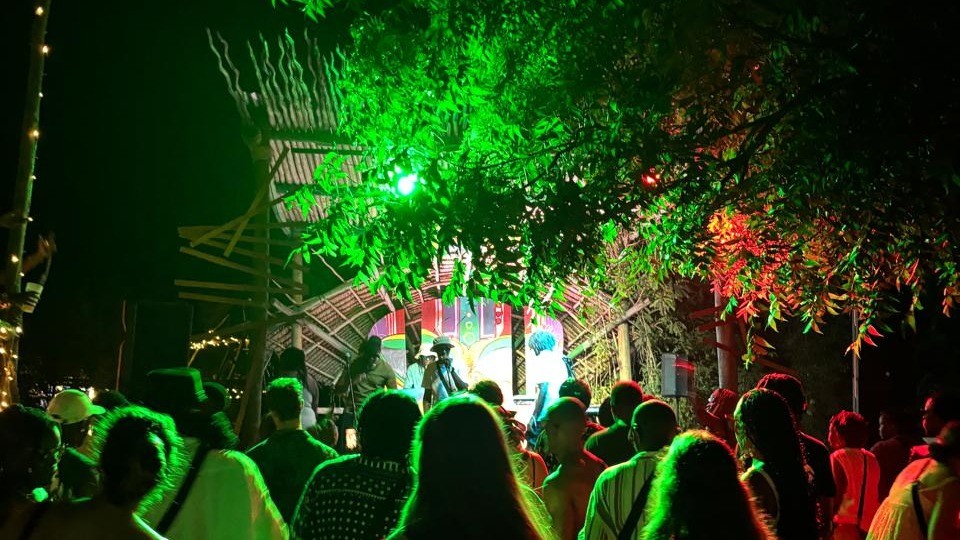
It’s true that African musicians largely make their money from live shows.
But this is only part of the picture.
In 2025, the African music industry is being transformed by streaming and brand power.
Here are the top 3 ways African musicians are making money today:
1. Live performances
This is the biggest source of income for most African artists.80% of performers and musicians’ revenues are still derived from live performances.
Everything from ticket sales to performance fees to event revenue splits means that live shows remain the revenue king. Urban centres drive the most revenue, with cities like Lagos and Nairobi acting as the main hubs for the concert economy.
As more festivals and events pop up across Africa, expect this stream to grow especially for artists who know how to attract crowds.
These Live performances create synergies with other industries such as advertising, accommodation, crafts, fashion, merchandising, food and beverage, videography and photography. In Kenya, events like Blankets and Wine curated by Muthoni Ndonga (MDQ) of GoodTimes Entertainment Limitedhave created several jobs in supporting functions such as back up dancers, live bands, sound, light and recording crews, caterers, logistics and security, and local businesses such as vendors.
Unfortunately, early stage and young musicians are often locked out of medium or large-scale events which usually favour more established musicians in their line-up. These young musicians are as well vulnerable to exploitation in the form of poor pay or being undercut by promoters since they are desperate to showcase and perform. One of the recommendations from HEVA Fund ’s internal studies is to develop tour circuits that can accommodate early-stage artists. One strategy by HEVA Fund is to offer affordable financing to event organisers through OTA to strengthen their current event offering by increasing their line-up of shows and expanding into new markets. Additionally, Sanara will be offering grants to young artists that can enable them to stage their own shows and build their local audiences.
Call to action to us as Music consumers: Audiences also have a part to play: don’t just go to the big concerts, tap into the small local concerts and shows and learn about emerging acts, they are talented and work hard to put on good shows and you have a chance to put money directly into their pockets.
2. Music rights revenue
Royalties might be seasonal, but they are very lucrative.
African musicians can earn revenues from broadcasting, publishing, ringtones and, especially, streaming. Just last year, Nigerian artists earned USD38 million in royalties. In 2023, Nigeria and South Africa received USD16m and USD14m respectively in streaming royalty payouts from Spotify.
Streaming is helping African music travel across borders and that global exposure is translating into income. Although a majority of the global streaming platforms are located outside the continent, we have seen local streaming platforms that have emerged as alternatives. We have Boomplay , which started in 2015 and expanded to over 10 countries on the continent, with 60m users and a database of 4m songs. Kenya’s Mdundo.com (NASDAQ: MDUNDO)has over 36 million monthly active users and continues to gain a lot of traction since its inception in 2013. These local platforms are better placed to engage local audiences and markets due to their understanding of regional and cultural trends and preferences.
Royalties can be more lucrative than they are. Again, royalties are mostly lucrative for big artists, smaller artists struggle to monetise through streaming because of how streaming revenues are being distributed by streaming platforms. Hence the need for the platforms to offer more equity to the artists, irrespective of their size and stature.
To the artists, it is important to have strategies that drive traffic to your back catalogue as opposed to mostly marketing your latest outputs because in the era of streaming, you can make new fans who may only know you from your latest release. A recent statistic also mentions that 25% of music on streaming platforms goes unstreamed underlining the importance of finding ways to drive traffic to your back catalogue as well.
Other revenue streams from music rights include-
- Synchronization (sync) royalties earned from the use of an original music composition/recording in adjacent audio-visual works such as video games, tv shows, movies, or advertisements.
- Bundling- sales of physical mediums such as CDs/LPs and merchandise to accompany a digital release.
3. Brand endorsements and partnerships
The commercial power of African artists extends far beyond music.
Top artists are becoming brands themselves, landing deals with global names. Davido x Martell is an example of a top collaboration selling influence and a luxurious lifestyle. In Kenya, In 2024, Khaligraph Jones signed a brand ambassador deal with Hennessy. Femi One was the first African woman to be named as brand ambassador for Monster Energy.
Brand partnership deals often open doors into fashion and product licensing.
Artists who diversify will succeed.
Investors who understand these revenue streams will back the next generation of stars.
And governments that support musicians in any of these ways will unlock jobs and exports.
Pic: My amazing colleague Mars Maasai performing at Beneath the Baobabsfor their new year’s festival. He is a practising artist (Music producer and performer with Nairobi-based collective “XPRSO”. He is also a Deejay, sound engineer and film maker and a creative industries researcher.
Mars plays a critical role in developing insights for the cultural and creative industries in the country and region. Over the years, he has contributed to several reports and projects that have helped provide creative practitioners, programmers, and public and private sector stakeholders with valuable insights and intervention mechanisms to better support the cultural and creative industries.